You do not need a punishing 90-minute workout, a drawer full of supplements, or a maximalist recovery routine to get healthier at home. That is the real hook behind the latest longevity conversation: while headlines bounce from bargain chef’s knives to Yellowstone rule-breakers and gift guides, the most useful lifestyle trend hiding in plain sight is the least flashy one of all. Call it the Italian grandma effect, call it slower fitness, call it sanity returning to wellness. Either way, the message is the same: small, repeatable habits are beating heroic effort.
For anyone training in a bedroom corner, apartment living room, or shared office, that matters. A trend built on walking more, cooking better, stressing less, and moving daily fits the reality of home fitness far better than all-or-nothing plans ever did. And if you have been wondering why so many people are quietly shifting from extreme programs toward low-drama strength, mobility, and recovery, this is your quick-hit trend report.
The trend in one sentence: less spectacle, more consistency
The so-called nonnamaxxing wave is getting attention because it flips the usual wellness script. Instead of asking how hard you can go, it asks how well you can live every day. That is a huge deal for the home fitness niche, especially in small spaces where your routine has to be realistic enough to survive busy schedules, low motivation days, and limited equipment.
- Food is functional, not performative. Think simple home-cooked meals over trendy restriction.
- Movement is built into the day. More walking, standing, stretching, and carrying—not just formal workouts.
- Strength still matters. But it is used to preserve energy, balance, and independence, not just chase aesthetics.
- Recovery stops being optional. Sleep, mobility, and lower stress are treated like core training inputs.
- The goal is longevity you can feel. Better joints, steadier energy, and fewer boom-bust cycles.
That makes this more than a cute social-media label. It is a practical correction to the burnout-heavy side of fitness culture.
Why this matters for home fitness right now
Home training has matured. A few years ago, the market obsession was intensity hacks and equipment stacking: more tools, more sweat, more challenge. Now the smart conversation is shifting toward adherence. What will you actually keep doing in 200 square feet, after work, with your phone buzzing and dinner still needing to happen?
The answer is usually not a program that leaves you wrecked. It is a system that lowers friction.
- Short strength sessions are easier to repeat than marathon workouts.
- Mobility snacks fit between meetings and chores.
- Walking and under-desk movement raise daily activity without requiring motivation spikes.
- Simple meal prep supports body composition better than random “cheat day” cycles.
That is where the trend connects directly to your training setup: the winning home routine now looks less like a bootcamp and more like a sustainable weekly rhythm.
What the new wellness signal is really telling you
Strip away the branding and the pattern is obvious. The market is rewarding habits that are:
- Low-cost
- Low-space
- Joint-friendly
- Easy to repeat
- Compatible with real life
That is why this trend has legs. It works whether you are 28 and trying to stop weekend workout guilt, or 48 and trying to build strength without frying your nervous system.
There is also a hidden reason it resonates: many people are tired of “optimization” that makes them feel worse. If your routine creates more stress than resilience, is it really wellness?
The home workout version of this trend
If you want to apply this without turning it into another aestheticized lifestyle project, keep it brutally simple. The most effective home-fitness version combines strength, gentle cardio, mobility, and recovery into one repeatable loop.
1. Strength becomes your anchor habit
Two to four weekly sessions are enough for most people to build muscle, improve insulin sensitivity, and protect joints—especially if you train close to muscular fatigue with smart exercise selection.
- Prioritize patterns: squat, hinge, push, pull, carry, core stability
- Use compact gear: dumbbells, bands, benches, bodyweight progressions
- Keep sessions efficient: 25 to 40 minutes is plenty when you remove fluff
A compact setup matters here. If your gear can stay accessible instead of buried in a closet, you are far more likely to use it. For a lot of apartment lifters, an adjustable dumbbells home gym setup is the sweet spot because it gives you progressive overload without swallowing your floor space.
2. Walking and light cardio stop being “extra”
This is one of the biggest mindset upgrades. Traditional fitness culture often treats walking as too easy to count. The longevity-first view treats it as foundational.
- Walking improves recovery without adding much fatigue
- Low-intensity movement supports heart health and blood-sugar control
- Frequent easy movement can reduce the stiffness that comes from desk-heavy days
If you cannot get outside much, under-desk cardio, indoor marching, step-ups, or short movement breaks can fill the gap. Ten minutes here and there adds up faster than you think.
3. Mobility gets folded into the day, not saved for a perfect class
You do not need a full studio flow every day. You need strategic mobility where your body actually asks for it: hips after sitting, thoracic spine after laptop time, ankles before lower-body work, shoulders before pressing.
- Before workouts: 5 to 7 minutes of targeted prep
- During the day: 2-minute mobility breaks
- At night: gentle downshifting instead of doomscrolling
This is where the trend gets practical rather than romantic. The point is not to “live like a grandma.” The point is to stop acting like recovery only matters once you are already injured.
What readers often get wrong about “gentler” fitness
There is a lazy misread of this trend that says easier always equals better. Not true. Gentler does not mean aimless. You still need enough resistance, enough structure, and enough progression to create results.
Here is the distinction:
- Bad easy: random movement, no consistency, no overload, no plan
- Smart sustainable: moderate effort, repeated weekly, measurable progress, enough recovery
That second version wins. Every time.
Coach’s take: If you are sore for four days after every session, your plan is probably too aggressive for long-term adherence. If you never challenge your muscles at all, it is too soft to preserve strength. The sweet spot is finishing a session feeling worked, not wrecked.
The small-space gear shift this trend supports
This lifestyle move also changes what gear makes sense. Instead of chasing novelty, more people are choosing equipment that supports frequent use, easy storage, and multi-purpose training.
- Adjustable dumbbells for scalable full-body strength
- Bands for activation, accessory work, rehab-style training, and travel
- Compact benches for presses, split squats, step-ups, rows, and seated work
- Mobility tools like mats and blocks for daily recovery
If you need one piece that expands exercise options without turning your room into a commercial gym, a folding weight bench is one of the smartest buys. It supports serious strength sessions, then disappears when you need your floor back.
Where resistance bands fit especially well
Bands are practically built for this moment. They are inexpensive, travel-friendly, and ideal for people who want effective training without a loud footprint. They also pair beautifully with the longevity angle because they let you train hard with less joint irritation than some fixed-path machines or poorly controlled free-weight reps.
- Use minibands for glute activation and lateral hip work
- Use long bands for rows, presses, pulldowns, and assisted mobility
- Use them on low-energy days when you still want a meaningful session
For lower-body training in tight quarters, glute resistance bands are especially useful because they make short sessions feel productive fast. A few well-controlled sets of lateral walks, bridges, and abductions can light up muscles that desk life tends to switch off.
The surprising crossover: cooking, movement, and longevity all reinforce each other
One reason this trend lands so well is that it does not isolate fitness from the rest of life. Better home cooking supports body composition. More walking improves appetite regulation and recovery. Lower stress helps sleep. Better sleep improves training output and food choices. The loop is tight.
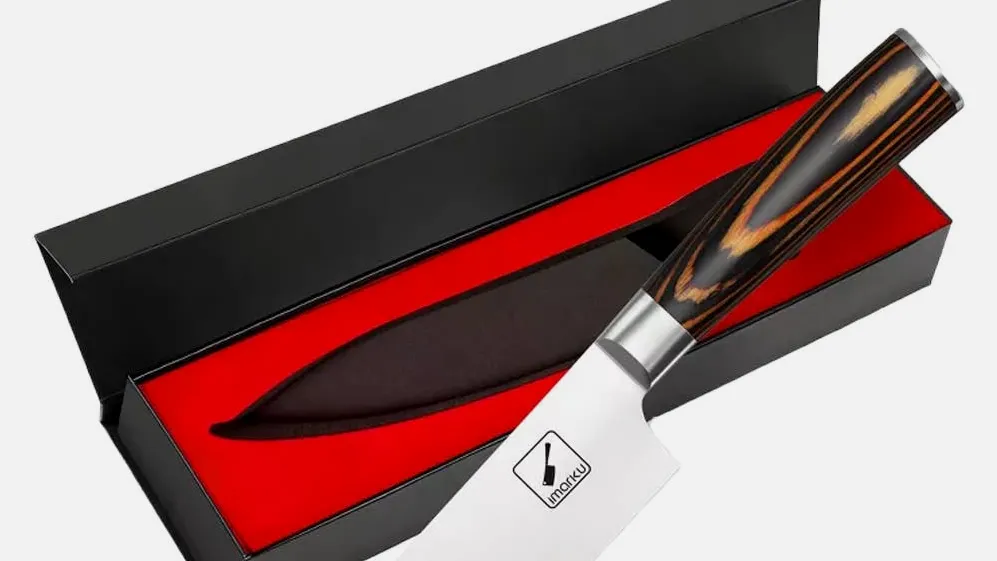
Even that headline-grabbing discounted chef’s knife points to a broader behavior shift: people are still hungry for tools that help them do more at home. In wellness terms, that matters. The easier it is to prep simple meals, the easier it is to support training without depending on takeout and impulse snacking.
- Home-cooked meals usually make protein, fiber, and portion control easier
- A calmer routine reduces rebound overeating driven by stress
- Regular movement helps maintain momentum between workouts
That is the real “hidden factor” in this trend: it works because it is ecological. Every habit makes the next habit easier.
A quick weekly template that actually fits normal life
If you want to use this trend without overthinking it, start here:
- 2 to 3 strength days: full-body, 25 to 40 minutes
- 5 to 7 days of walking or light cardio: 20 to 40 minutes total, even in chunks
- Daily mobility: 5 to 10 minutes
- 1 dedicated recovery block: longer stretching, yoga, breathwork, or easy movement
- Simple meal structure: protein, produce, carbs you digest well, healthy fats
Want an expert-level filter for whether your routine is working? Track these four signals for three weeks:
- Energy during the day
- Workout consistency from week to week
- Joint comfort instead of just soreness
- Performance trends like reps, load, control, and recovery speed
If those are improving, you are on the right path—even if your routine looks much less dramatic than what social media sells.
The bigger takeaway for your training
The hottest fitness shift right now is not a miracle protocol. It is a return to habits that respect human biology: move often, lift regularly, cook more, recover better, and stop treating exhaustion like proof of effort.
That makes this trend unusually useful for home exercisers. You do not need more chaos. You need a setup and schedule that you can trust on ordinary Tuesdays. Build around that, and you will get something better than a short-lived transformation challenge. You will get a body that feels capable, calmer, and harder to knock off track.