Every article comparing gym memberships to home gyms makes the same argument: “A home gym pays for itself in X months.” Then they plug in the average gym membership cost, subtract some equipment purchases, and declare victory for one side or the other. The math is always clean, and it almost always ignores the costs that actually determine whether you keep exercising.
I ran the numbers differently. Instead of comparing sticker prices, I tracked the total cost of exercise over five years, including the expenses that gym marketers and home gym enthusiasts both conveniently forget. The result surprised me.

The Gym Membership: Visible and Hidden Costs
What You See
Average gym membership in the US (2025): $40-60 per month for a standard club, $150-250 for premium/boutique studios. Let’s use $50/month as our baseline, which lands you a mid-tier chain gym with free weights, machines, cardio equipment, and group classes.
5-year visible cost: $50 x 60 months = $3,000
What You Don’t See
Commute cost: The average American drives 15 minutes each way to a gym. That’s 30 minutes of driving per session, 3-4 sessions per week. At $0.67/mile (IRS 2025 rate) and roughly 10 miles round trip, that’s $6.70 per session. Over 5 years at 3.5 sessions/week: approximately $6,100 in vehicle costs.
Time cost: This is the number that changes everything. A 45-minute workout at a gym actually consumes 90-120 minutes of your day when you include driving, parking, changing, waiting for equipment, showering, and driving home. At home, that same workout takes 45-60 minutes total. The difference is 45-75 minutes per session. Over 5 years at 3.5 sessions/week, that is 680-1,140 hours of your life spent on gym logistics rather than exercise or anything else. What is an hour of your time worth? At $25/hour (below median US wage), those logistics hours represent $17,000-28,500 in opportunity cost.
Adherence decay: Industry data consistently shows that 50-67% of gym members stop attending regularly within six months of signing up, but only 10-15% actually cancel their memberships. The average “ghost member” pays for 8-14 months of unused access before canceling. If you experience even one six-month lapse over five years (which statistically you will), that’s $300-600 wasted.
Ancillary spending: Gym bag, lock, water bottle, workout clothes (more outfits because you’re exercising in public), protein shakes from the gym smoothie bar, parking fees at urban gyms. Conservatively: $500-1,000 over five years.
Total real 5-year gym cost: $9,600 – $37,600 (depending heavily on how you value your time)
The Home Gym: Visible and Hidden Costs
A Realistic Equipment List
| Equipment | Cost | Lifespan |
|---|---|---|
| Resistance band set (5 levels) | $25-40 | 2-3 years |
| Adjustable dumbbells (5-50 lbs) | $150-300 | 10+ years |
| Foldable weight bench | $80-150 | 5-8 years |
| Yoga mat + foam roller | $30-50 | 3-5 years |
| Under-desk elliptical | $100-180 | 3-5 years |
| Pull-up bar (doorframe) | $25-35 | 5+ years |
| Total initial investment | $410-755 |
Add replacement bands every 2-3 years ($25-40) and a mat replacement at year 3 ($20-30). 5-year total equipment cost: $480-870.
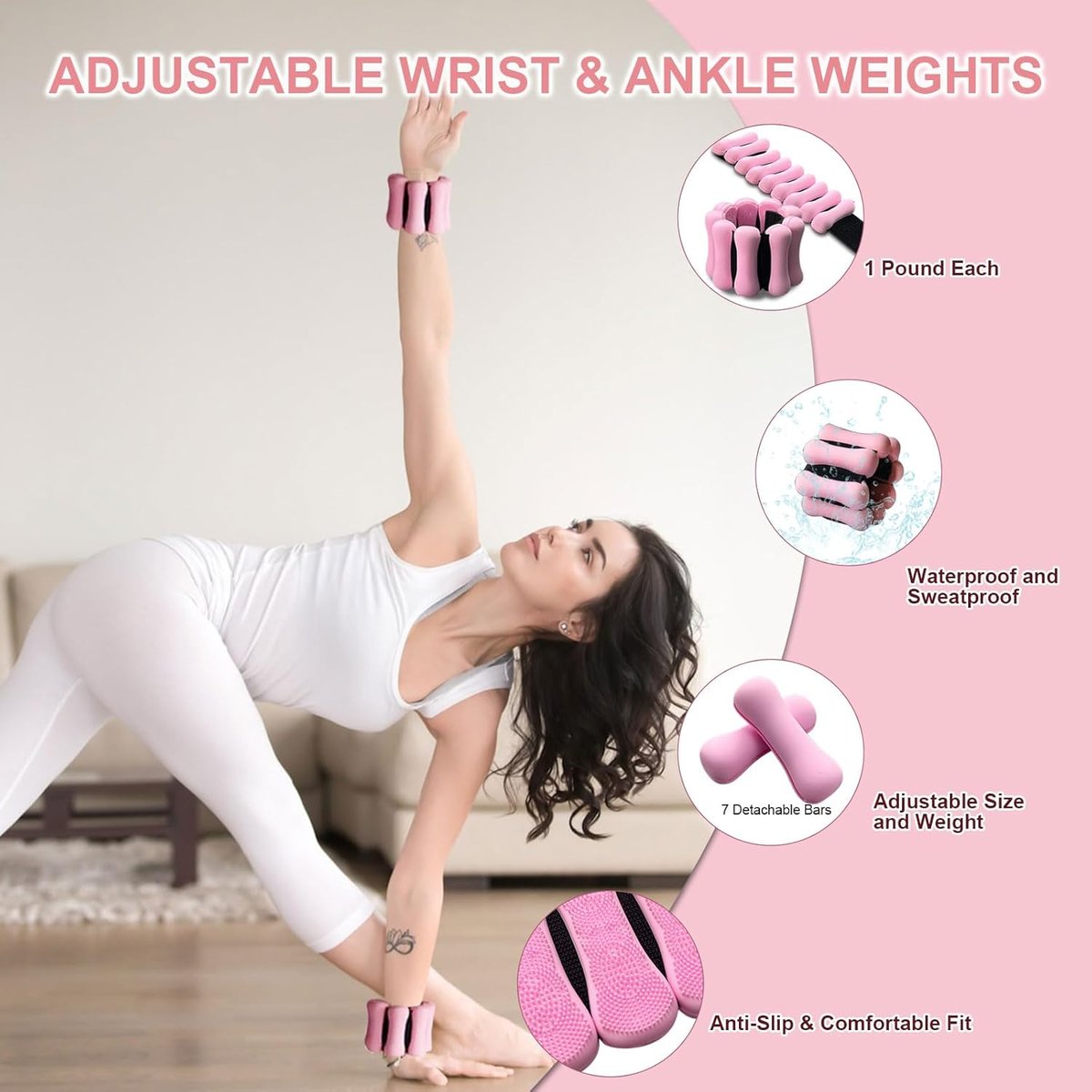
The Hidden Home Gym Costs
Space cost: A compact home gym takes about 36-50 square feet. In a high-rent city, that space has a real cost. In a $2,000/month apartment at 600 sq ft, each square foot costs $3.33/month. A 40 sq ft gym corner: $133/month or $8,000 over 5 years. In a suburban home where the gym goes in a spare bedroom or garage corner, the incremental cost is essentially zero.
Noise and neighbor constraints: In apartments, dropping weights, jumping, or using treadmills can generate complaints. This limits exercise selection and sometimes requires additional investment in rubber flooring ($50-100) or quiet equipment choices.
Motivation cost: Some people genuinely need the gym environment to stay motivated. If removing the gym causes a 30% drop in training consistency, the health cost outweighs any financial savings. This is a real factor, not a weakness. Environment shapes behavior.
Total real 5-year home gym cost: $480-$8,870 (depending primarily on whether you rent expensive urban space)
The Comparison Nobody Makes: Cost Per Actual Workout
Here is where the analysis gets interesting. The metric that actually matters is not total spend. It is cost per workout completed.
The average gym member who sticks with it works out 3.2 times per week. The average home exerciser who sticks with it works out 3.7 times per week (studies consistently show slightly higher frequency due to eliminated commute friction). Over 5 years:
- Gym: 3.2 x 52 x 5 = 832 workouts. At $3,000 pure membership cost: $3.61 per workout. Including commute costs: $10.94 per workout.
- Home: 3.7 x 52 x 5 = 962 workouts. At $600 average equipment cost: $0.62 per workout. Even in an expensive apartment adding space cost: $9.84 per workout.
The per-workout cost advantage of home exercise ranges from 10% (expensive apartment) to 94% (suburban house). And the frequency advantage means more total workouts over the same period.
Who Should Actually Go to the Gym
After all this analysis, I want to be honest: the gym is the right choice for some people. Specifically:
- If you need heavy equipment (squat racks, cable machines, Olympic platforms) for your training goals and live in an apartment
- If social accountability is a major driver of your consistency (group classes, workout partners)
- If your gym is inside your apartment building or within walking distance (eliminating commute cost)
- If you use the gym’s pool, sauna, or basketball courts regularly (amenities that cannot be replicated at home)
Who Should Build a Home Gym
For everyone else, and especially for these profiles, a home gym is the clear financial and practical winner:
- Parents with young children (impossible to leave for 2 hours; easy to train during nap time)
- Remote workers (slide a 30-minute workout between meetings with zero transition time)
- Frequent travelers (establish a home routine that uses the same portable equipment you pack for trips)
- Apartment dwellers doing resistance training, bodyweight work, or yoga (quiet, space-efficient)
- Anyone whose gym is more than 10 minutes away (the commute tax dominates the math)
Start building your space-efficient home gym with our complete equipment catalog. Every piece we sell is selected specifically for small-space performance and storage efficiency.