You can be 10 years postpartum, training consistently, eating what looks like a clean diet, and still feel like your core never quite came back online. That frustrating mix of belly doming, weak bracing, back discomfort, and stalled progress sends a lot of people hunting for the “best” home fitness fix. Usually, they end up choosing the wrong thing first.
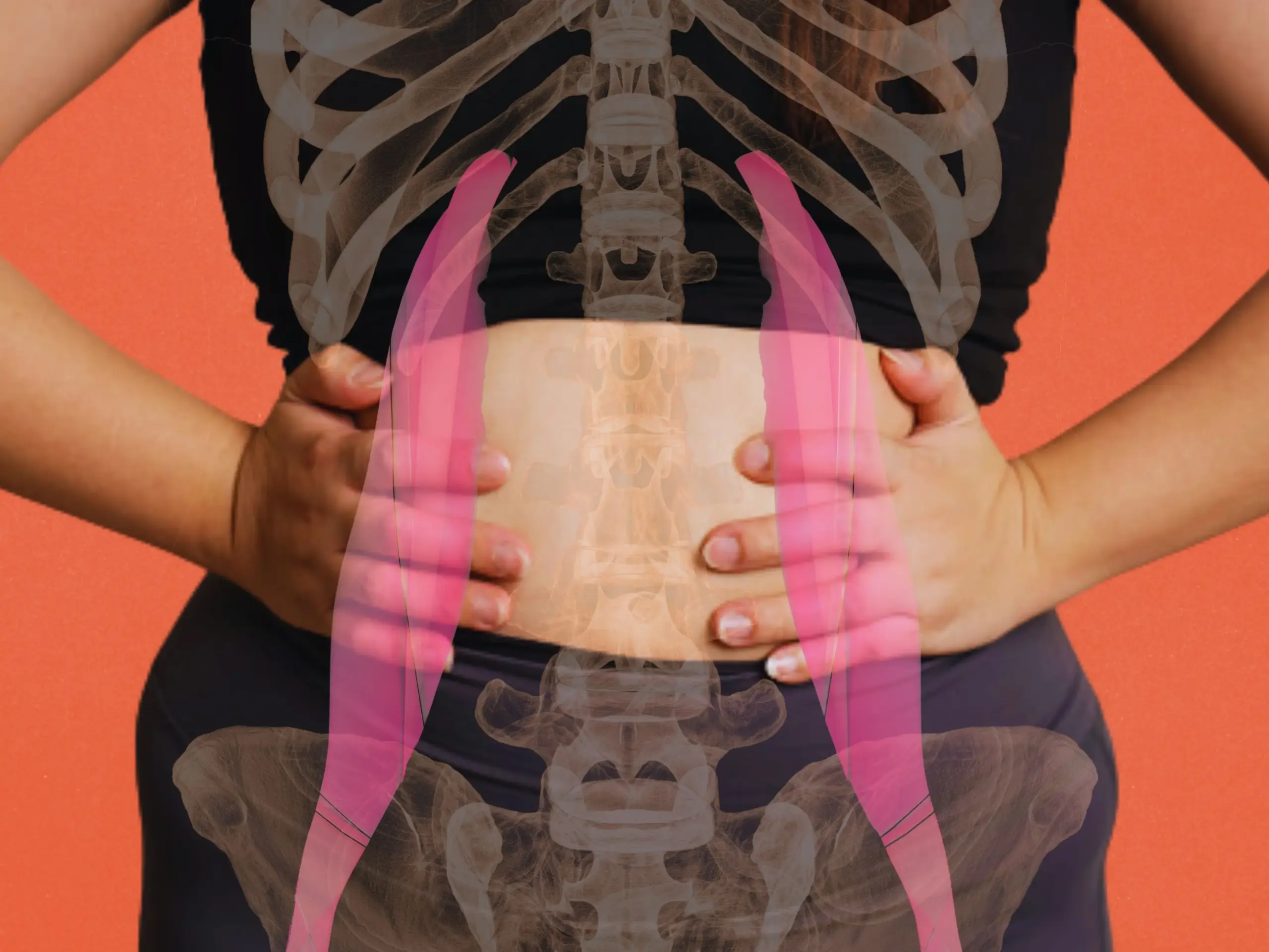
The real question is not whether you should work out. It’s which home workout tools actually support diastasis recti-friendly core rebuilding, grip confidence, and sustainable body-composition goals without turning your living room into a rehab clinic. Some gear helps you reconnect and progress. Some gear pushes intensity before control. And some “healthy” habits outside training quietly make results harder to see.
If you want a practical buying guide, start here. This is a comparison-first look at the home fitness equipment and setup choices that make the most sense when you’re rebuilding core strength, especially in a small space.
The short version: buy for control first, intensity second
If you suspect or know you have diastasis recti, the best equipment is usually the gear that helps you:
- Train with controlled breathing and rib-to-pelvis alignment
- Load the body gradually without forcing abdominal bulging
- Improve total-body strength so your core works in context, not isolation
- Stay consistent in a small-space routine
That means your smartest first purchases often look surprisingly simple: a supportive mat, a long resistance band or mini-band set, and a bench or floor-based setup that lets you modify angles. Fancy ab machines? Usually not the winner.
Home workout tools for diastasis recti: side-by-side comparison
| Tool | Best For | Main Benefit | Big Limitation | Space Need | Beginner-Friendly? |
|---|---|---|---|---|---|
| Yoga/Pilates mat | Breathing drills, dead bugs, heel slides, mobility | Creates a stable base for low-load core retraining | Does not add resistance by itself | Very low | Yes |
| Mini resistance bands | Glute work, lateral stability, lower-body activation | Helps build pelvic and hip support that reduces compensation | Easy to overvalue for core if form is sloppy | Very low | Yes |
| Long resistance bands | Rows, presses, anti-rotation, assisted movement | Versatile, low-impact way to build strength progressively | Resistance curve can be awkward on some exercises | Low | Yes |
| Light dumbbells | Carries, goblet squats, presses, rows | Builds whole-body strength that teaches the core to brace | Too-heavy loading can trigger coning or breath holding | Low | Yes, with careful progression |
| Kettlebell | Squats, deadlifts, carries, hinges | Excellent for integrated core and grip strength | Technique matters more; swings are not step one | Low | Moderate |
| Folding bench | Incline presses, supported rows, step-ups, modified core work | Makes many movements easier to scale and safer to set up | Takes more room than bands or a mat | Low to moderate | Yes |
| Ab wheel | Advanced anti-extension training | High challenge for anterior core control | Often too aggressive early on for diastasis recti | Very low | No |
| Rowing machine | Cardio with full-body involvement | Can build endurance without impact | Large footprint and may encourage poor bracing when fatigued | High | Moderate |
| Under-desk cardio device | Extra movement, low-intensity calorie burn | Supports energy expenditure without extra workout time | Not a core rehab tool and not enough for strength on its own | Low | Yes |
| Jump rope or cordless rope | Conditioning in tight spaces | Convenient, quick sessions, easy to store | May be too much impact early if pelvic floor symptoms are present | Very low | Moderate |
Best choice by goal, not by hype
1. Best starter tool: a thick, stable mat
If your core connection is shaky, floor-based training gives you immediate feedback. You can feel whether your ribs are flaring, whether your lower back is arching, and whether the abdominal wall is pushing outward instead of managing pressure well.
This is why a good mat beats a flashy gadget for many people at the beginning. Breathing drills, bent-knee fallouts, heel slides, glute bridges, side-lying work, bird dogs, and controlled dead bug variations all live here. If your hands, knees, or hips hate thin flooring, you’ll skip sessions. Comfort matters because consistency matters.
If you’re shopping here, prioritize grip, thickness, and enough length for full-body work. The best rated yoga mats are often the ones that let you focus on bracing instead of fidgeting around on a slippery surface.
2. Best value buy: long bands plus mini-bands
Bands are the small-space winner because they cover strength, mobility, and core training in one drawer-sized package. More importantly, they let you train anti-rotation and anti-extension patterns with manageable load. That matters for diastasis recti because your goal is not just “abs.” Your goal is pressure management under movement.
A long band works well for:
- Standing rows
- Split-stance presses
- Pallof press variations
- Lat pulldown setups from a door anchor
- Assisted squats or hinges while learning control
Mini-bands fill in the lower-body side. Stronger glutes and better hip control can reduce the constant over-reliance on your low back and front-side core. That’s a big deal if you always feel exercise in the wrong place.
3. Best strength upgrade: light-to-moderate dumbbells
Here’s the counterintuitive part: fixing a persistent postpartum core issue is rarely about chasing more ab burn. It’s often about getting stronger everywhere while keeping your trunk organized. Goblet squats, one-arm rows, supported Romanian deadlifts, split squats, and carries teach your core to do its real job: transmit force and resist collapse.
The catch? You need the right loading threshold. If a weight makes you hold your breath, thrust your ribs up, or dome through the midline, it’s too heavy for that variation right now.
Want a practical test? Exhale on effort and watch your torso. If you lose shape halfway through the rep, drop the load or change the position.
4. Best for progression in tiny apartments: a bench that folds away
A bench sounds like a luxury until you use one in a small-space setup. Suddenly, incline push movements are more accessible. Chest-supported rows become easier to feel in the upper back instead of the lower back. Step-ups, hip thrusts, and seated presses become cleaner to perform.
A folding weight bench is especially useful if you’re rebuilding strength in stages, because changing angle changes difficulty. That’s gold when floor work is getting too easy, but full-intensity free-weight training still feels messy.
Look for a stable frame, easy storage, and multiple incline positions. You do not need a giant commercial bench to get this benefit.
5. Best conditioning option if impact feels okay: cordless rope
When fat loss is part of your goal, people often assume they need harder workouts. Not always. Many stall out because they overestimate how much “healthy eating” offsets calorie intake, then try to force faster results with random core circuits. That’s a bad trade.
Steady strength work plus manageable conditioning tends to be the better home plan. If traditional jumping is awkward in a small room, Cordless Jump Ropes can be a practical way to add short cardio blocks without needing a garage-sized setup.
But be honest with yourself: if jumping causes pelvic heaviness, leaking, or midline pressure problems, this is not your first buy. Walking, cycling, marching intervals, or low-impact circuits are smarter starting points.
What to skip early if you have diastasis recti symptoms
Some tools are popular because they feel intense, not because they fit the problem. That distinction matters.
Ab wheels and aggressive ab gadgets
These demand high anti-extension strength. If you already struggle to manage pressure, they can expose the gap between effort and control fast. Can advanced trainees eventually use them? Sure. Should they be a default recommendation? No.
Very heavy carries before you can brace well
Carries are fantastic for integrated core and grip strength. Grip matters more than many people realize; stronger hands and forearms improve how confidently you handle dumbbells, bands, and kettlebells. But loading them too heavily before your breathing and trunk control are consistent just turns the exercise into a compensation contest.
High-volume crunch variations
This is where old advice still hangs around. A pile of sit-ups does not automatically retrain pressure management. If anything, it may reinforce the exact pushing strategy you’re trying to clean up.
The grip-strength detail most people miss
One source trend that deserves more attention: grip is not a side issue. If your hands tire first, your rows shorten, your carries get sloppy, and your upper-body training stalls. Then your total-body strength stalls too.
For a home setup, the easiest grip upgrades are:
- Farmer carries with manageable dumbbells or kettlebells
- Suitcase carries to challenge lateral core stability
- Slow band rows with a hard squeeze at peak contraction
- Towel grip holds around a handle for variety
- Dead hangs only if your shoulders and core tolerate them well
Why does this matter for a diastasis recti-friendly plan? Because strength carries over. Better grip supports better pulling mechanics. Better pulling mechanics improve posture and rib positioning. Better position makes good bracing easier. Everything is connected.
If fat loss is part of the goal, your food choices may be hiding the answer
You can absolutely eat nutrient-dense foods and still miss fat-loss progress. That’s not a failure of discipline. It’s usually a portion and consistency issue. Olive oil, granola, nut butters, smoothies, and trail mix are all easy to underestimate. So the visible changes you expect from training may not show up as quickly as they should.
A modest calorie deficit is usually more sustainable than trying to “out-cardio” your intake. Think controlled, boring, repeatable. Protein at each meal helps. Structured meals help. Fewer random bites after dinner often help more than people want to admit.
And no, this does not mean you need perfect eating to improve your core function. But if your goal is both better movement and body-composition change, your workouts and food habits need to stop working against each other.
Coach’s rule: If your plan requires heroic motivation every day, it’s the wrong plan. Buy gear that makes training easier to repeat, not more dramatic to post.
The best home setup for most people: three tiers
Tier 1: The minimum effective setup
- Supportive mat
- Mini-band set
- One long resistance band with door anchor
This is enough to start rebuilding strength and control in a studio apartment.
Tier 2: The stronger-home-body setup
- Everything in Tier 1
- One or two pairs of dumbbells
- Optional kettlebell for hinges and carries
This is the sweet spot for most readers. You can train full body, progress over time, and keep the footprint low.
Tier 3: The small-space serious setup
- Everything in Tier 2
- Folding bench
- Low-impact cardio tool if desired
This setup gives you the most exercise variety without crossing into home-gym bloat.
So what should you buy first?
If you’re overwhelmed, buy in this order: mat, bands, dumbbells, then bench. That sequence gives you the most return with the least wasted money. It also matches how most people actually progress when they’re dealing with a lingering postpartum core issue.
Can you improve diastasis recti years after giving birth? In many cases, yes, you can improve function, strength, and visible control long after the early postpartum window. But the win usually comes from patient, smart training rather than a miracle device.
Start with tools that reward form. Build grip and full-body strength. Keep conditioning realistic. Stop assuming “healthy eating” automatically means a calorie deficit. Do that for a few months, and your home setup will finally start acting like a solution instead of a pile of good intentions.