You can have a solid pair of dumbbells, a smart progressive plan, and just enough floor space to train hard at home—and still sabotage the session with the wrong socks. One slippery set on laminate during split squats, one bunching heel during under-desk pedaling, one sweaty yoga flow in basic cotton, and suddenly the cheap detail becomes the thing that controls the whole workout.
That is why workout socks deserve more attention than they get. Not because they are glamorous. Because they directly influence traction, temperature, comfort, blister risk, and how stable you feel when your training surface is a hardwood floor, apartment rug, folding mat, or compact pedal machine. And if you are shopping right now, the decision is more different than most people expect: ultra-cheap no-show packs, sport crews, yoga grip socks, and compression styles all solve separate problems.
This guide compares the main sock types for home fitness so you can buy once, train better, and stop guessing.
The fast answer: which workout sock should you buy?
If your home workouts are mostly strength circuits, walking, bands, and light cardio in sneakers, a breathable no-show value pack is usually the best buy. If you train barefoot-style on a mat, do yoga or Pilates, or need more traction on smooth floors, grip socks are the smarter pick. If you do higher-impact work, longer sessions, or tend to overheat and blister, a performance crew or quarter sock with moisture management will outperform bargain basics.
The trick is matching the sock to the training environment, not just the price tag.
Workout sock comparison table
| Sock Type | Best For | Main Strength | Main Drawback | Typical Price Range | Best Home Fitness Use Case |
|---|---|---|---|---|---|
| No-show value pack | Budget shoppers, general home workouts | Low cost per pair, easy daily rotation | Often less grip and cushioning | $0.50-$2 per pair | Sneaker-based strength sessions, walking pads, under-desk cardio |
| Performance no-show or quarter sock | Frequent trainers | Better moisture control, heel hold, less bunching | Costs more upfront | $3-$8 per pair | Circuits, treadmill work, resistance training, HIIT-lite |
| Crew training sock | Lifters and high-friction users | More coverage, cushioning, ankle protection | Can feel hot in small apartments or summer training | $4-$10 per pair | Dumbbell work, lunges, step-ups, garage gym sessions |
| Grip sock | Yoga, Pilates, slick floors | Traction without shoes | Less versatile inside sneakers | $5-$16 per pair | Mat workouts, barre, mobility flows, recovery sessions |
| Compression sock | Long standing days, recovery-focused users | Snug support and reduced lower-leg fatigue feel | Can feel restrictive during explosive sessions | $10-$25 per pair | Recovery walks, travel, light cardio, post-workout use |
Why cheap no-show socks are suddenly getting attention
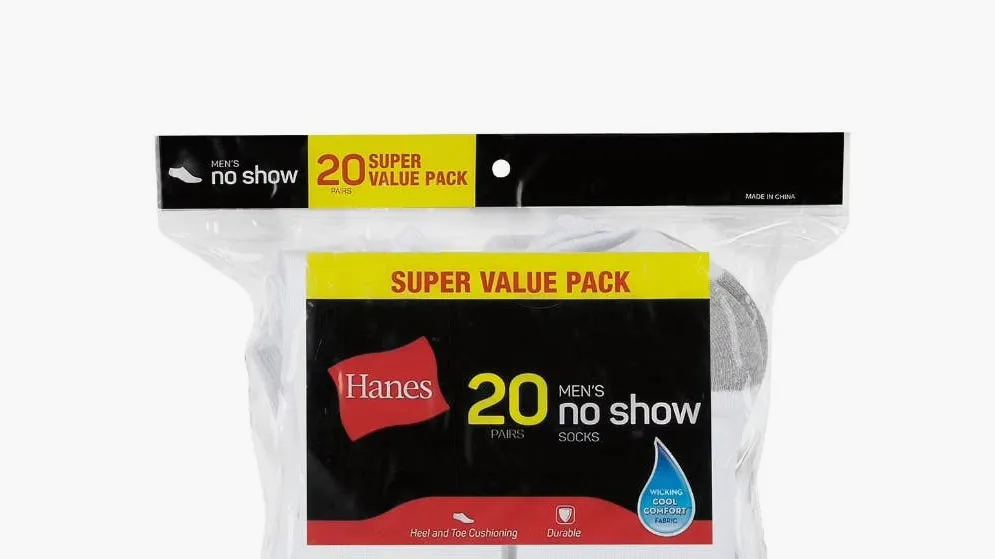
Big multipacks keep popping up because they solve a real buyer problem: you need a lot of socks, and you need them now. A 20-pack at a steep discount can drop the cost per pair so low that replacing old stretched-out socks finally makes sense. For home fitness, that matters more than it sounds. Worn-out elastic leads to heel slip. Thin fabric under the forefoot can increase friction. Sock rotation gets ignored until every pair feels vaguely annoying.
For the right person, bargain no-show socks are a strong buy. They are especially useful if you:
- Train in shoes most of the time
- Need enough pairs for daily walking or under-desk pedaling
- Prefer a low-profile look that disappears inside trainers
- Want backup pairs for travel and small-space workouts
But here is the important distinction: a value-pack sock is usually an everyday comfort product first and a performance product second. That does not make it bad. It just means you should be honest about your sessions.
No-show vs grip socks: the most important comparison for home workouts
If you only remember one comparison from this guide, make it this one.
No-show socks win when you wear shoes
For dumbbell training, band work, mini-stepper sessions, or an under-desk cycle, no-shows are practical. They stay out of the way, feel lighter, and work well if your shoe already provides traction and structure. A good no-show also helps manage sweat so your foot is not sliding around inside the shoe.
That makes them a sensible pick for apartment workouts where you move from desk to treadmill to a few sets of goblet squats without wanting a full wardrobe change.
Grip socks win when the floor is part of the workout
Yoga, Pilates, mobility, barre-inspired sessions, and bodyweight flows are different. Here, your foot interacts directly with the mat or floor. On hardwood or tile, standard socks can turn a controlled movement into a balance drill you never asked for. Grip socks add friction where you need it—under the ball of the foot, heel, and sometimes toes—so you can hold positions with less energy leak.
If your downward dog, glute bridge, or slow mountain climber feels unstable in normal socks, the issue may not be your strength. It may be your traction.
Which sock type fits each home fitness category?
Dumbbells and strength training
If you lift in shoes, choose no-show or quarter socks with a secure heel and decent arch tension. For heavier lower-body days, crew socks can be more comfortable because they stay planted and add a little cushion around the ankle. If you train barefoot for deadlift variations at home, skip slippery basics and use grip socks or go truly barefoot on a safe surface.
Cause and effect matters here: when your foot slides even slightly during a squat or lunge, your body spends energy correcting balance instead of producing force. That can subtly reduce training quality over a whole session.
Resistance band workouts
Band training creates odd angles and lateral tension, especially in small spaces where you are stepping around furniture. If you anchor bands under your feet, a sock that bunches or slips can make setup feel unstable fast. A snug quarter sock is often the sweet spot if you wear shoes, while grip socks are excellent for mat-based lower-body work and standing balance drills.
💡 Related Resource: If bands are a core part of your setup, browse Resistance Bands options with the same mindset you use for socks: stability first, not just price.
Travel and small-space fitness
This is where no-show multipacks shine. They are compact, easy to wash, and useful beyond training. One sock type that handles hotel-gym treadmill work, bodyweight circuits, and everyday walking gives you less to pack. Still, if your travel workouts include yoga in a hotel room, one or two pairs of grip socks earn their space in your bag.
Under-desk cardio
Low-intensity pedaling sounds forgiving, but foot comfort becomes a big deal when the movement is repetitive. Thin bargain socks can work well here because impact is low and shoe friction is moderate. You do not need max cushion. You need breathability, enough fabric durability, and a fit that does not migrate toward your toes after 40 minutes.
Yoga, Pilates, and recovery
This category is the clearest winner for grip socks. They improve confidence during single-leg work, reduce slip on smooth floors, and help you stay connected to the floor during slower movement. If you hate training barefoot but also hate shoes on a mat, grip socks are the bridge.
What to check before buying any workout sock
1. Fiber blend, not just thickness
Many cheap socks feel fine in the hand and disappointing in motion. Why? Because the fabric blend determines moisture transfer, stretch recovery, and friction more than thickness alone. Look for some polyester or other performance fibers blended with cotton rather than heavy all-cotton socks for sweaty sessions.
Pure comfort and workout comfort are not always the same thing.
2. Heel construction
Heel slip is the silent workout killer. A no-show that drops under your heel inside the shoe can ruin a session instantly. If reviews consistently mention sliding, pass. For home training, heel security is more important than brand prestige.
3. Cushion placement
You do not always need a plush sock. Too much bulk in a snug trainer can create pressure points. The better option is targeted cushioning at the heel and forefoot, especially if you do marching, incline walking, or repeated step-ups.
4. Elastic recovery after washing
A cheap sock that works for three wears and dies in the laundry is not a bargain. If you buy value packs, consider them for moderate rather than intense sessions unless they hold shape well after repeated washes.
5. Floor type
Train on hardwood? Prioritize grip or shoes. Train on carpet or thick mats? Standard performance socks become more viable. Your apartment floor changes the decision more than marketing copy does.
Budget buy or performance upgrade?
Here is the honest split.
Choose the budget multipack if:
- You mainly train in shoes
- You want the lowest cost per pair
- Your workouts are moderate, not high-impact
- You need lots of daily-use socks for walking, desk cardio, and errands
Spend more on performance socks if:
- You train 4 or more days per week
- You get hot spots or blisters easily
- Your socks often slide, twist, or collapse
- You switch between cardio, strength, and mobility sessions
Buy grip socks if:
- You do yoga or Pilates regularly
- You train on slick floors
- You dislike barefoot workouts but need traction
- You want more control in slow, technical movement
Ask yourself a simple question: do you need a sock to survive the wash, or to improve the workout? Sometimes the answer is both, but usually one priority wins.
The smartest two-sock setup for most home exercisers
If you want the most practical setup without overspending, buy two categories instead of searching for one perfect do-everything pair:
- A low-cost no-show multipack for sneaker-based strength work, walking, and under-desk cardio
- Two to three pairs of grip socks for yoga, Pilates, stretching, and recovery sessions
This combo covers almost every home fitness scenario with less waste than buying expensive performance socks for every day of the week.
It also reflects how people actually train now: different modalities, different surfaces, different needs. One generation of fitness shoppers used to buy a single generic athletic sock and call it done. That approach is fading because home training has made surface feel, traction, and room setup much more influential.
A trainer’s tip: test socks during lateral movement, not just walking
Most people try on socks, take a few steps, and assume they are fine. That tells you almost nothing. The real test is side-to-side movement, split stance work, and planted pivots. Do five bodyweight squats, a reverse lunge on each side, and a 20-second high plank. If the heel slides, the toe box bunches, or the fabric rotates, that sock is not ready for training.
Quick rule: If you notice the sock during movement, it is probably the wrong sock for that workout.
The buying decision that actually makes sense
You do not need to overcomplicate this. A cheap no-show pack is a strong value if your workouts happen inside shoes and you simply need breathable, comfortable rotation at a very low price. But if your training includes yoga flows, Pilates, barefoot-inspired strength, or slick apartment floors, grip socks are not a luxury—they are the right tool.
For most home exercisers, the best choice is not no-show or grip. It is no-show plus grip, with each pair doing a different job. Buy for your floor, your footwear, and your training style. That is how you avoid wasting money on socks that feel fine in a drawer and wrong the moment the workout starts.