Last March, I started a tracking experiment that, in hindsight, was either very thorough or very obsessive. I bought seven different resistance band sets from seven different brands across three price tiers (budget: under $15, mid-range: $20-35, premium: $40+). I labeled every band, recorded its initial resistance with a luggage scale, and then used each set in a rotation for a full year of regular training: 4 sessions per week, mixing upper body, lower body, and mobility work.
Every 90 days, I re-measured each band’s resistance at the same stretch length and visually inspected for wear. Here is what I found, and it contradicts several common assumptions about band quality and longevity.
The Setup
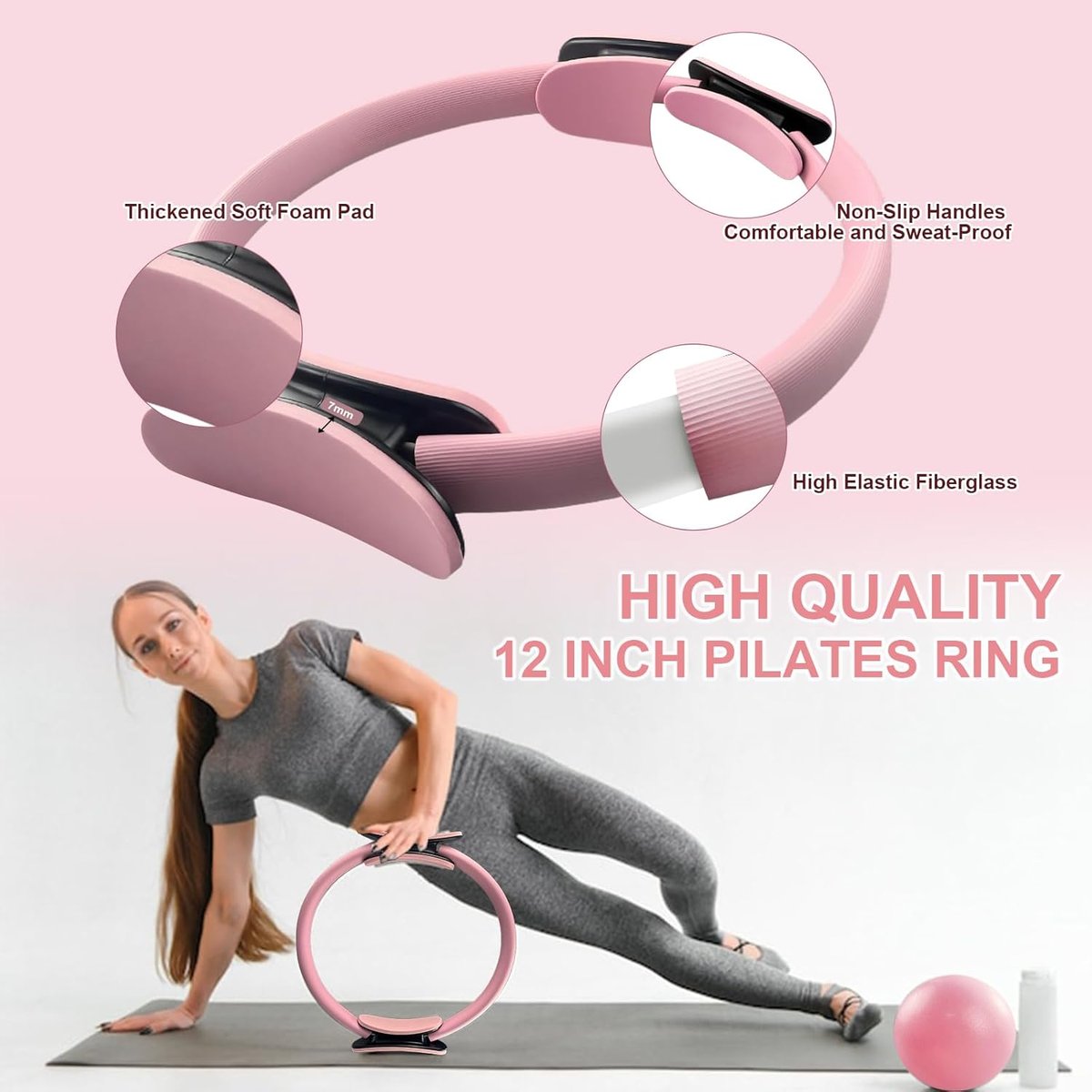
Each set included a medium-resistance band (roughly 20-30 lbs at full stretch). I standardized testing by measuring resistance at 2x resting length using a digital luggage scale hooked to a fixed anchor point. Not laboratory-grade, but consistent enough to detect trends over time.
Training protocol: 4 sessions/week, alternating between upper-body pulls (rows, face pulls, curls), lower-body (squats, hip thrusts, lateral walks), pushing movements (press-outs, tricep extensions), and a mobility/warm-up day. Each band performed approximately 200-300 reps per week at various stretch lengths.
Results: The 90-Day Check
At 90 days (approximately 3,600-4,500 total reps per band), the first differences appeared:
- Budget bands (3 sets tested): Average resistance drop of 12-18% from original measurement. One set (the cheapest, at $8) had visible micro-tears along the edges of the loop bands. The latex smelled noticeably different, a sharper chemical smell that was not present when new.
- Mid-range bands (2 sets): Average resistance drop of 4-7%. No visible wear. Latex maintained its original texture and smell.
- Premium bands (2 sets): Average resistance drop of 2-4%. No visible wear. One set (fabric-covered) showed zero measurable change.
The immediate takeaway: after just three months of regular use, a budget band providing “25 lbs of resistance” was now providing 20-22 lbs. That is a meaningful change if you are training progressively, because you think you are maintaining load but you are actually regressing.
Results: The 6-Month Mark
This is where the real divergence happened.
Budget tier: One set snapped during a banded squat at month 5. The band broke at a point where I had noticed micro-tears at the 90-day check. The remaining two budget sets showed 22-30% resistance loss. They felt noticeably “stretchy” compared to fresh bands, like pulling on a worn-out rubber band. One set had developed a sticky surface texture that picked up lint and hair.
Mid-range: 8-12% resistance loss. Both sets still structurally sound. One set’s handles showed minor foam compression on the grips. The bands themselves looked essentially new aside from slight color fading on the latex.
Premium: 4-6% resistance loss. The fabric-covered set still measured within 2% of original. The latex premium set showed slight surface dulling but no structural concerns.
Results: 12 Months
Final measurements after approximately 15,000-18,000 total reps per band:
| Tier | Survived 12 months? | Resistance loss | Cost per month of use |
|---|---|---|---|
| Budget A ($8) | No (snapped month 5) | N/A | $1.60 |
| Budget B ($12) | Yes (barely) | 38% | $1.00 |
| Budget C ($14) | Yes | 31% | $1.17 |
| Mid-range D ($25) | Yes | 14% | $2.08 |
| Mid-range E ($32) | Yes | 11% | $2.67 |
| Premium F ($45) | Yes | 7% | $3.75 |
| Premium G – fabric ($52) | Yes | 3% | $4.33 |
The Counterintuitive Finding
The cheapest option per month is the budget tier. The most durable option is the premium fabric set. But neither of those is the best value for most people.
The mid-range bands lost 11-14% of their resistance over a year. That is noticeable if you measure it, but in practice, it is within the variability of how differently you might grip or anchor the band on any given day. You would not feel the difference in a workout. They cost $2-3 per month of use and showed no signs of imminent failure at the 12-month mark. Projected lifespan: 18-24 months of regular use before reaching a resistance loss that would affect training outcomes.
The budget bands, despite being cheaper per month, create a hidden cost: because they lose resistance so quickly, you are effectively training with less load than you think after just 3 months. For anyone trying to progressively overload (which is how you actually get stronger), this means budget bands secretly undermine your training stimulus. You think you are maintaining tension. You are not.
The premium bands are genuinely superior, but the diminishing returns are steep. Going from mid-range to premium doubles your per-month cost for a resistance durability improvement of about 7 percentage points. Unless you are a physical therapist using bands 8+ hours a day or a very high-volume athlete, the premium tier is more about feel and aesthetics than functional necessity.
What I Would Buy Now
A mid-range set with multiple resistance levels, replaced annually. Total annual cost: $25-35. That gives you consistent resistance, reliable safety, and a fresh set of bands before any meaningful degradation affects your training.
If you do mostly lower-body work with loop bands (hip thrusts, clamshells, lateral walks), consider the fabric-covered type regardless of price tier. Fabric bands showed dramatically less stretch degradation than latex in every test, and they eliminate the skin-pinching and rolling issues that make latex loop bands uncomfortable during high-rep lower body work.
Explore our resistance band collection for mid-range and premium options in loop, tube, and fabric styles. If you are building a complete portable training system, check our travel fitness bundles that combine bands with complementary gear.